
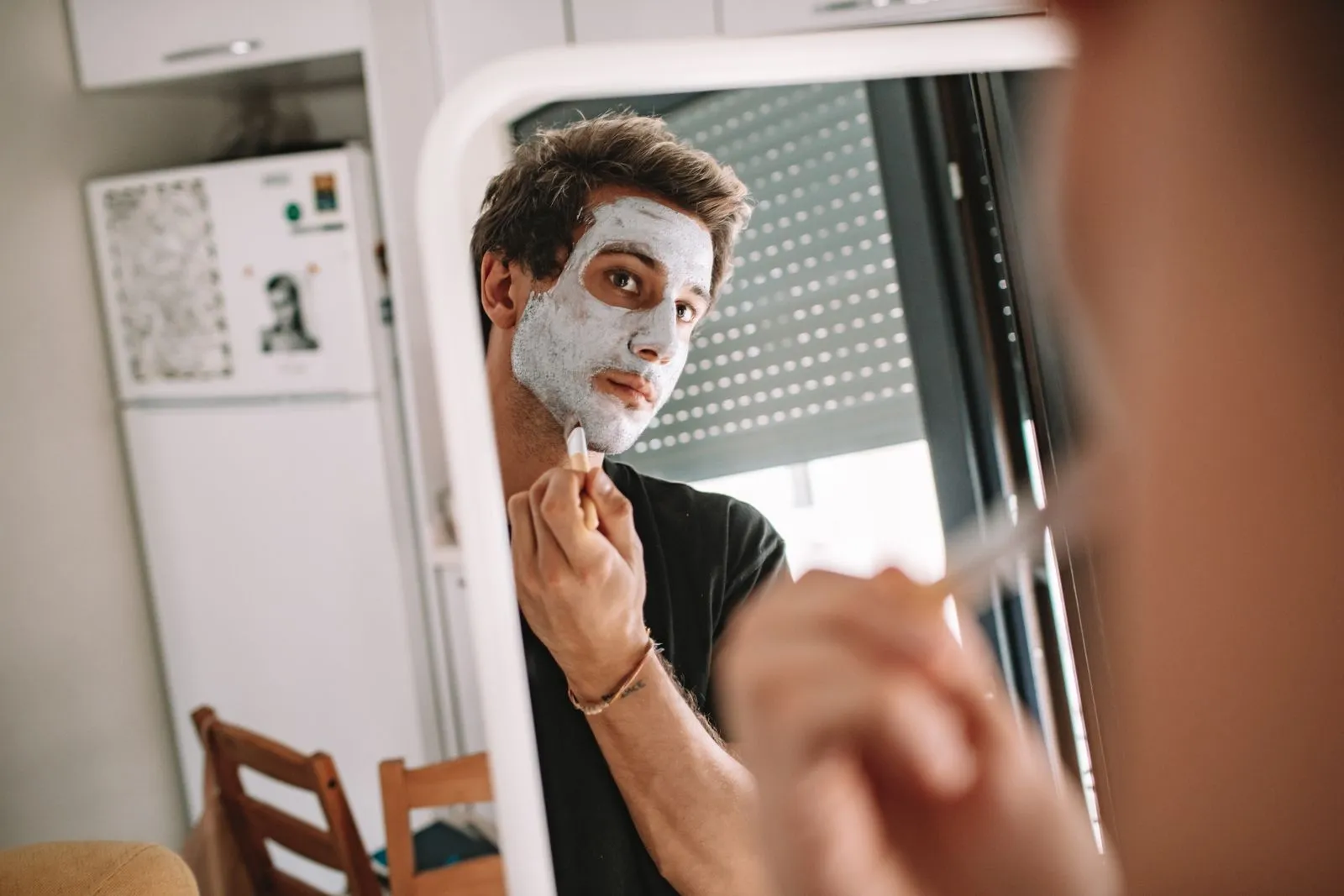
Shaving can leave skin feeling tight, warm, or bumpy, especially when the blade scrapes too closely or passes over the same area repeatedly. A few gentle steps afterward can help reduce discomfort and support your skin’s natural barrier. Rinse away leftover shaving product, avoid harsh treatments, and apply a simple moisturizer. If irritation keeps returning, changing your technique or products may help identify the cause.
Rinse and Pat Dry
After shaving, rinse the area with cool or lukewarm water to remove shaving cream, loose hairs, and residue. Very hot water can make already sensitive skin feel drier or more uncomfortable, so keep the rinse gentle. If your skin tends to react easily, use a mild, fragrance-free cleanser rather than a strongly scented wash.
Dry the area by pressing a clean, soft towel against it. Avoid rubbing, which can add friction to freshly shaved skin. If you notice a small nick, apply light pressure with clean gauze or tissue until the bleeding stops. Leave the area alone rather than picking at it, since touching can prolong irritation.
Moisturize Without Irritating
Apply a plain, fragrance-free moisturizer while your skin is slightly damp. Choose a product labeled for sensitive skin and use a small amount first. Creams or lotions with ingredients such as glycerin or ceramides can help hold moisture and support the skin barrier. Stop using a product if it causes stinging, redness, or itching that does not quickly settle.
Skip aftershaves that contain alcohol, strong fragrance, or other ingredients that burn on application. Also avoid exfoliating acids, scrubs, and retinoid products on freshly shaved skin if they commonly cause irritation. If you use prescription skin treatments, follow the instructions from your clinician about when to apply them after shaving.
Protect Skin From Sun
Freshly shaved skin may feel more sensitive, so protect exposed areas from direct sun. Use a broad-spectrum sunscreen with SPF 30 or higher, and reapply according to its label, especially after sweating or swimming. A hat or shade can add protection for the face and neck.
If sunscreen stings, try a fragrance-free formula made for sensitive skin and test it on a small area first. Do not apply sunscreen directly to an open cut. Keep the cut clean and protected while it heals, and seek medical advice if it becomes increasingly red, swollen, painful, or warm.
Reduce Future Razor Irritation
Small changes before and during shaving can make the aftercare routine more effective. Shave after a warm shower or hold a warm, damp cloth over the area to soften the hair. Use a moisturizing shaving product, shave in the direction the hair grows, and use short, light strokes. Rinse the blade often and avoid repeatedly passing over the same patch.
Use a clean, sharp razor and replace the blade when it pulls, feels rough, or shows signs of damage. Avoid sharing razors, and rinse and dry yours after use. If bumps keep appearing, pause close shaving while the skin settles and consider trimming hair instead. Persistent or painful irritation is a reason to ask a healthcare professional for guidance.
Comfortable post-shave skin usually starts with less friction, a gentle rinse, and a moisturizer your skin tolerates. Notice which blades and products leave your skin calm, and change one part of your routine at a time. If irritation is ongoing or worsening, a clinician can help assess possible causes and suggest suitable care.